
Coffee that tastes like bubble gum?
How fermentation reshapes what coffee can taste like

AI generated
Coffee is often expected to taste familiar: nutty, chocolatey, slightly bitter. But in high-quality specialty coffee, the experience goes further. If you pay closer attention, you might notice floral notes, ripe fruits, dessert-like sweetness or even something unexpected… like bubble gum! Which raises a natural question:
How does coffee develop flavours like this and where do they actually come from?
From cherry to cup: processing vs fermentation
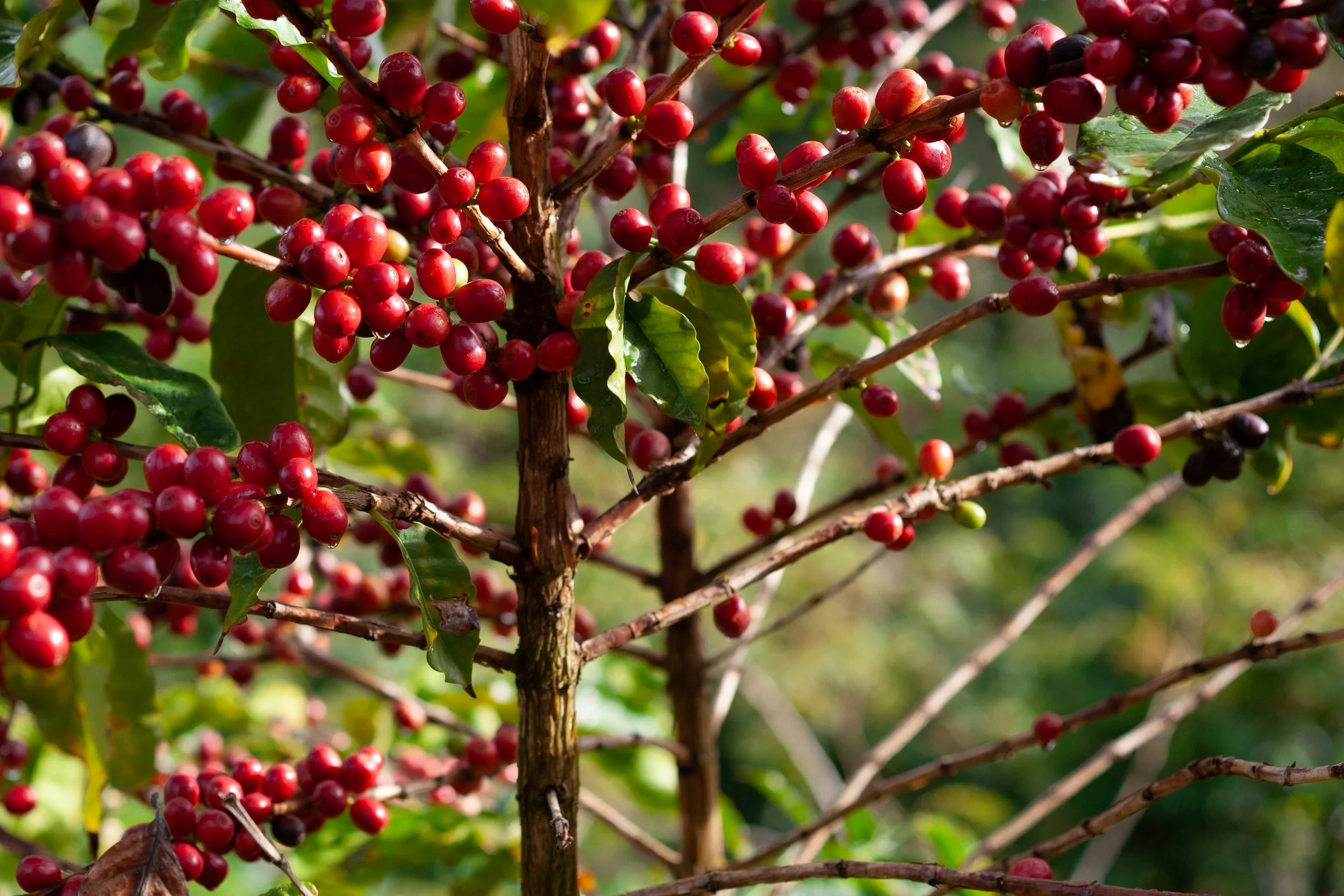
Before coffee reaches your cup, it goes through multiple stages: harvesting, processing, drying, roasting. And while roasting is often seen as the key driver of flavour, many of the most distinctive characteristics are formed much earlier. Coffee starts as a fruit, known as a coffee cherry. Inside this fruit, natural sugars and acids that make fermentation possible.
Coffee processing and fermentation are often mentioned together, but they are not the same. Processing includes the essential mechanical steps like removing the fruit, washing, and drying the beans. Fermentation, by contrast, is a chemical reaction happening within the fruit itself. This distinction matters — because it’s where flavour begins to take shape.
Fermentation: where flavour starts to stand out
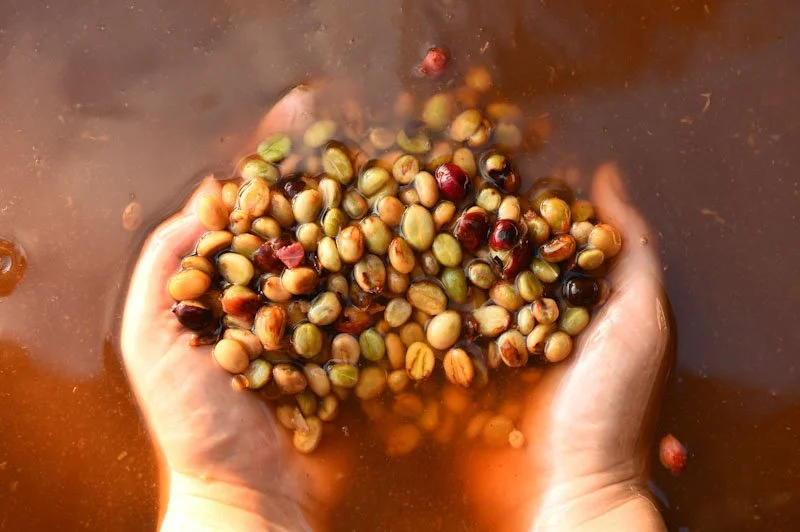
During fermentation, natural yeast and bacteria break down the sugars inside the coffee cherry, creating the compounds behind fruity, floral, and sometimes candy-like notes.
Fermentation has always been part of the process. What’s changed is how deliberately it’s used. In specialty coffee, it has become an additional tool to shape flavour, with producers adjusting time, temperature, or oxygen to move beyond traditional profiles.
This shift reflects a wider industry trend. Demand for specialty coffee continues to grow, driven by consumers’ increasing interest in flavour, origin, and processing methods.
Bubble gum in coffee: developed, not added
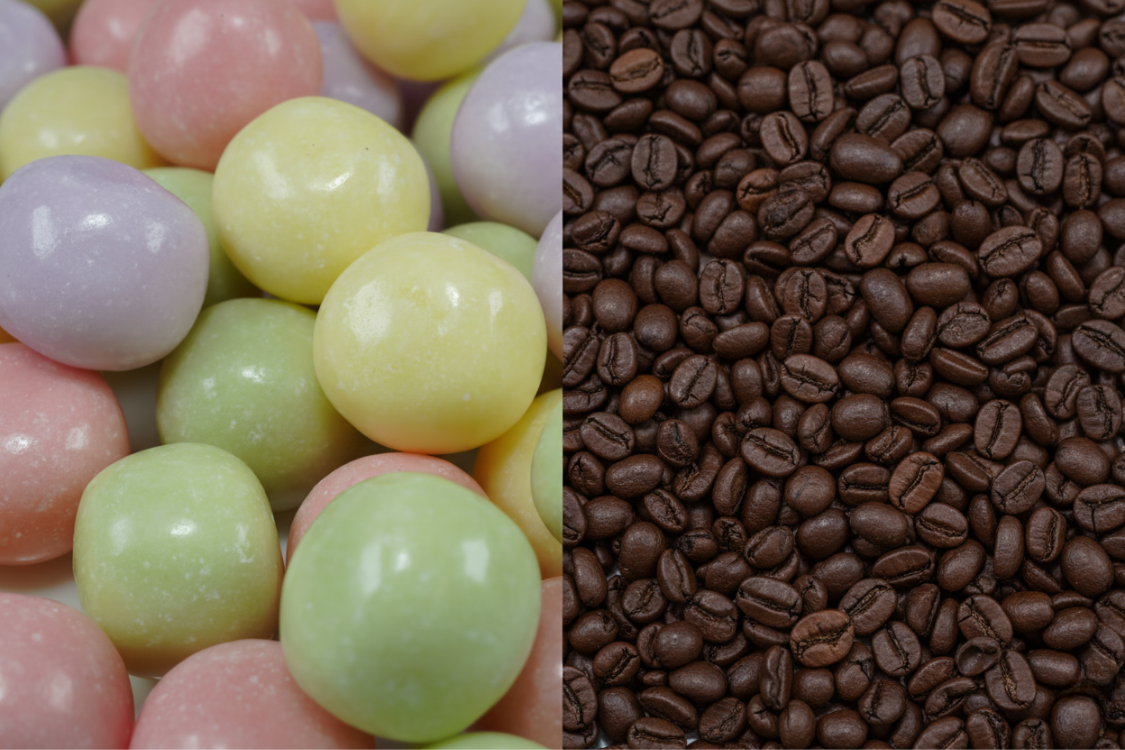
As fermentation becomes more controlled, certain compounds, especially esters, develop more intensely. These are the same types of compounds found in fruits, sweets, and confectionery. That’s why some coffees can naturally express flavours people describe as bubble gum, tropical candy, or even cola.
For some coffee drinkers, this can sound artificial, as if flavour has been added. In reality, the opposite is true. These flavours are not introduced from the outside. They are developed from within, through natural biological processes acting on the sugars already present in the coffee fruit.
Coffee, today, is no longer just a routine
It sits between two ideas: something we rely on every day, and something we can discover again and again. At X° Robusta, this is exactly how we approach it. We focus on sourcing high-quality beans where flavour begins at origin, shaped by process, not shortcuts.
And we look forward to bringing this experience to life with the opening of our coffeeshop in Canary Wharf.
#XRobusta #SpecialtyCoffee #CoffeeFermentation #CoffeeCulture #LondonCoffee