
How Hybrid Work Quietly Changed the Way London Drinks Coffee
Since remote work became normal, London coffee drinkers haven’t just changed where they work—they’ve quietly reshaped how they consume coffee across the entire week. The old weekday rhythm of pre-9am takeaway spikes and lunchtime rushes has softened into something more fluid and personal, especially in a city like London where hybrid schedules now dominate.
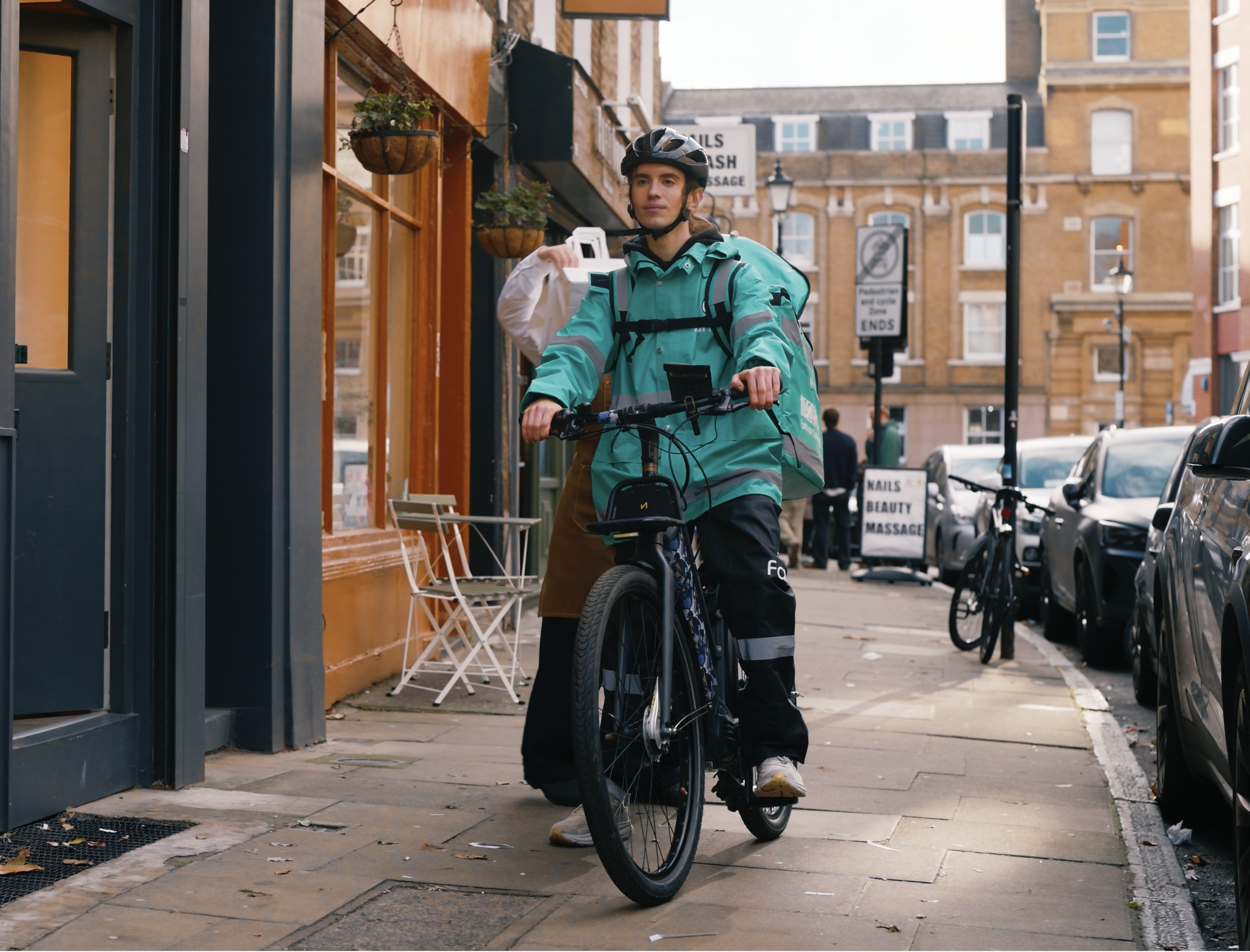
X° Robusta 2025 Christmas campaign
Merry X° mas, Londoner- supporting London coffee lovers
Mornings start later and stretch longer, with customers arriving mid-morning rather than at peak commuter hours, often staying for a full drink rather than rushing out with a cup in hand. Visit length has increased too: fewer “grab-and-go” moments, more sit-in time, laptops open, calls taken quietly, coffee treated as a work companion rather than a caffeine hit. At the same time, the boundary between weekdays and weekends has blurred—Tuesdays can feel like Sundays, Fridays like half-days—shifting demand away from predictable spikes and towards steady, all-day consumption. Takeaway hasn’t disappeared, but its purpose has changed; it’s less about speed and more about convenience woven into daily routines, such as walking between meetings, school runs, or short breaks from home offices. This is where delivery has quietly become part of modern coffee culture rather than a novelty.
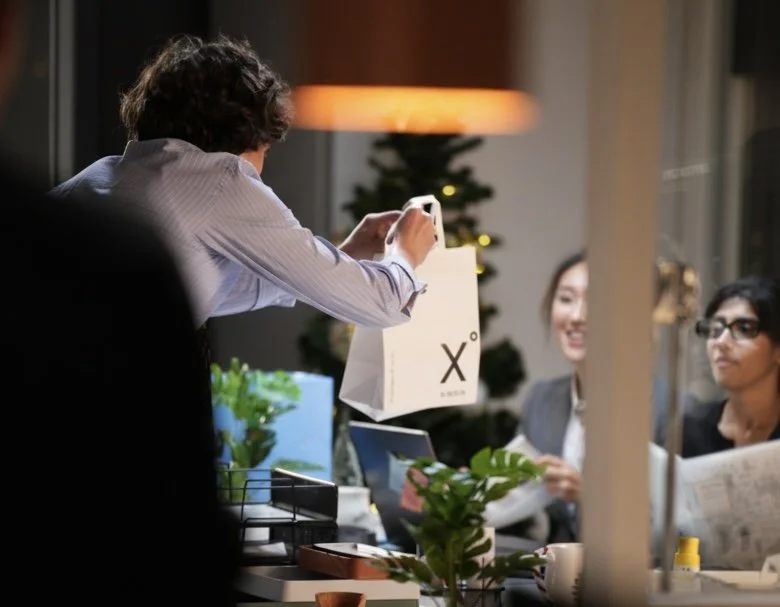
As people spend more time working from home or splitting their days between locations, coffee is no longer always consumed at the café—it’s expected to arrive seamlessly, hot, and on time, without losing quality or intention. Robusta’s delivery programme was built around this reality: not as an add-on, but as an extension of the in-store experience, designed for customers who want the same considered coffee without breaking their workflow. Orders now peak later in the morning and early afternoon, matching hybrid schedules, while weekday delivery volumes increasingly resemble what used to be weekend behaviour—slower, more deliberate, and often ordered for small groups rather than individuals. The shift also reveals a deeper behavioural change: coffee is no longer tied to a commute, but to moments of focus, reset, or quiet reward throughout the day. For cafés, this means success is less about chasing footfall and more about understanding patterns—how long people stay, when they order, and how delivery supports their routines without replacing the physical space. In a hybrid-work city, the coffee shop isn’t just a destination; it’s part of a wider ecosystem that includes homes, shared spaces, and digital workflows.
London coffee drinkers haven’t stopped visiting cafés—they’ve simply integrated them differently into daily life, and delivery has become one of the most natural expressions of that change.
#londoncoffeeculture #hybirdworking #coffeedelivery #remoteworkingandcoffee #coffee
