Why Espresso Isn’t Always the Best Way to Enjoy Coffee
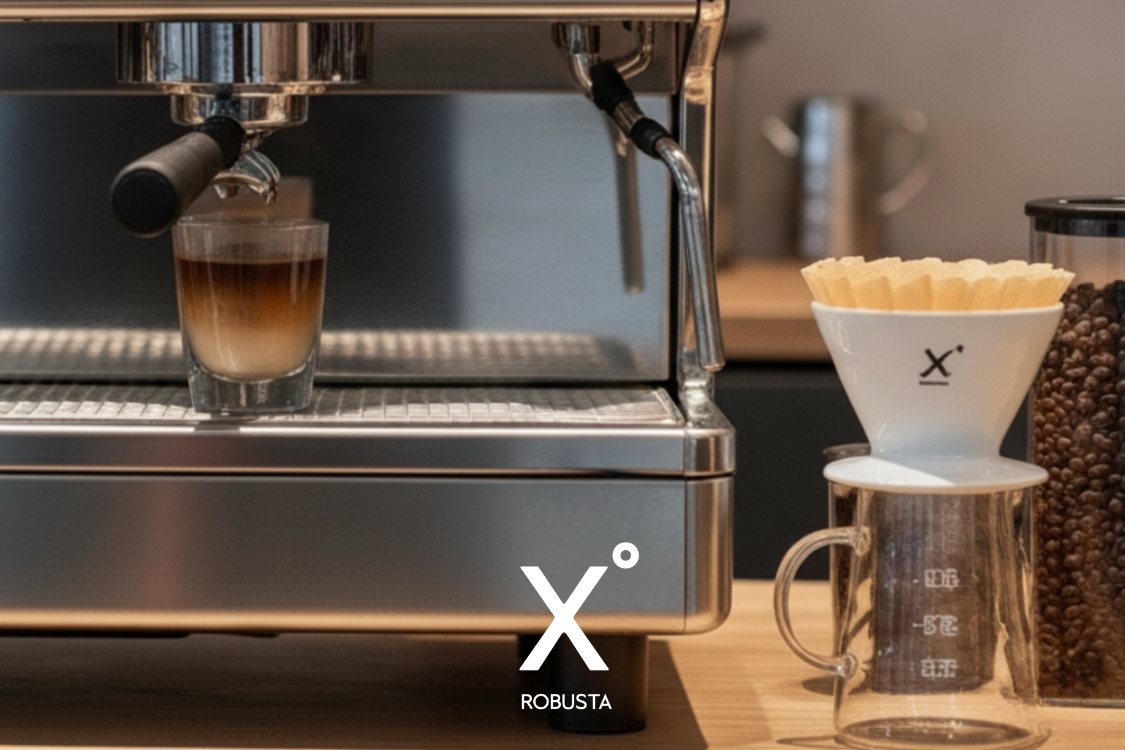
The shift we’ll explore at our upcoming Canary Wharf X° Coffee Break event
Espresso is probably the most influential coffee invention of the last 100 years. It built modern coffee culture, created entire drink categories and turned coffee into a fast daily ritual. But here’s the irony:
Modern coffee habits are becoming less and less “espresso-shaped”
Espresso Was Built for Speed
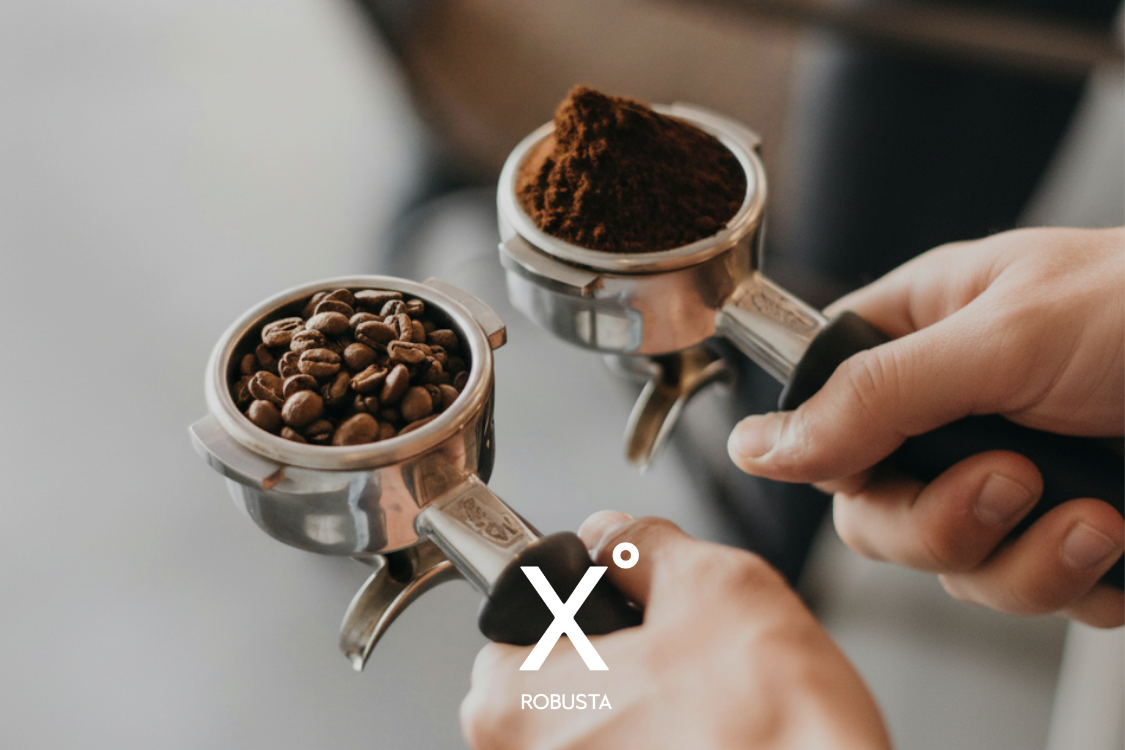
Espresso wasn’t invented because Italians wanted deeper flavour notes or a more artisanal experience. It was created because people wanted coffee faster.
According to coffee historian Jonathan Morris, espresso emerged during Italy’s industrialisation period in the early 1900s, when cafés were searching for ways to reduce brewing time and serve customers faster. Early espresso machines dramatically accelerated coffee preparation compared to traditional brewing methods, helping cafés increase speed and customer turnover
And honestly the system worked incredibly well. Today, most coffeeshop drinks in the UK still depend on espresso extraction. Even if you order a caramel oat latte, technically you’re still drinking a descendant of a machine designed for industrial-era speed.
Coffee Culture Quietly Changed
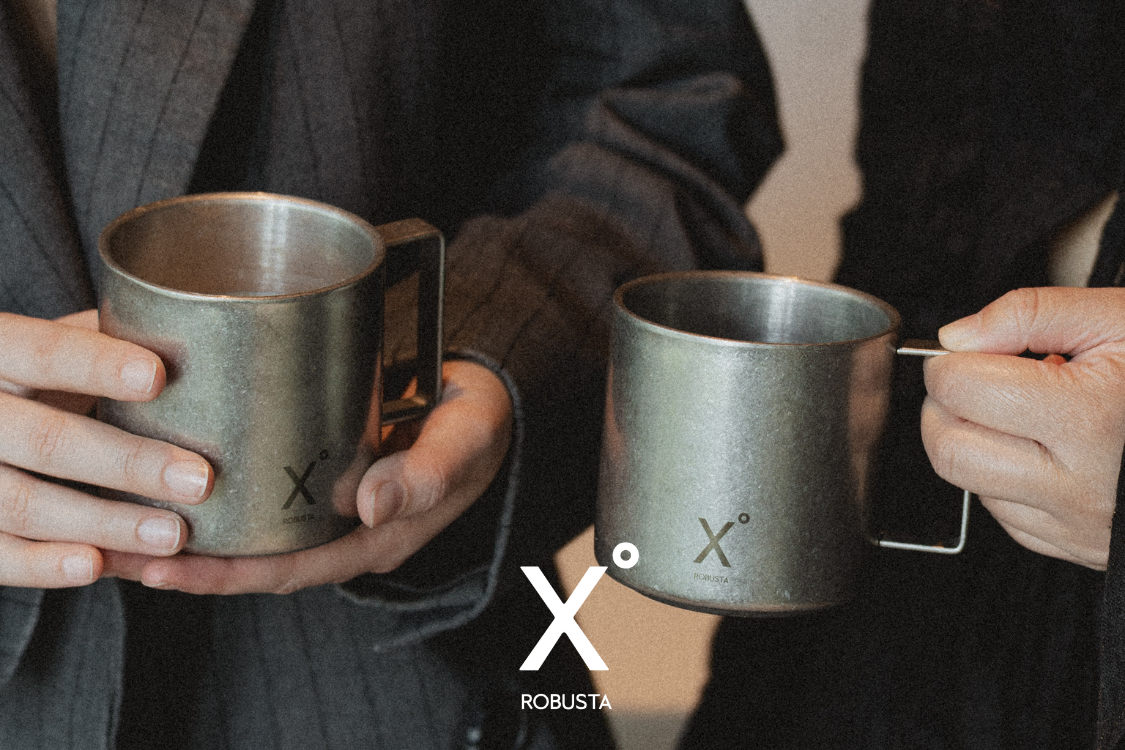
The way we drink coffee today looks different. Coffee is no longer just a “quick stop”, it’s part of the routine. People now drink it during Zoom calls, sip it through long office meetings and basically treat it as part of their daily work rhythm.
That creates a strange contradiction: espresso brewing is designed around concentration, pressure and intensity, while modern coffee routines increasingly prioritise comfort and long-form drinking experiences.
There’s a reason longer formats like iced lattes, americanos and batch brew became so popular in offices and coworking spaces. Pressure-based extraction works brilliantly for fast, high-impact coffee moments, but not always for slow everyday consumption across an entire workday.
Why Alternative Brewing Keeps Growing
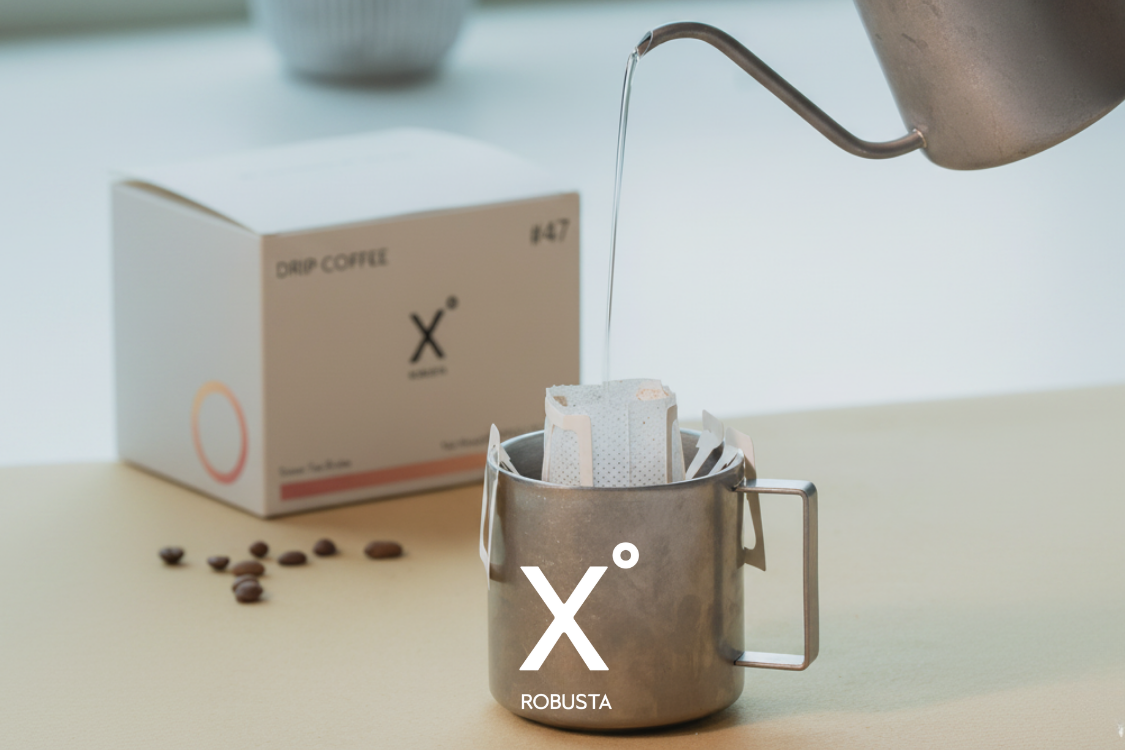
This is exactly why alternative brewing methods keep gaining attention. Filter, pour-over and drip coffee create almost the opposite experience from espresso: lower intensity, softer texture, clearer flavour separation and a format designed for longer drinking. Instead of a fast caffeine hit, they fit naturally into slower daily routines.
That shift is especially visible across Asian coffee culture right now, where hand-brew coffee and lighter flavour profiles continue gaining popularity, especially among younger consumers looking for cleaner and less bitter experiences.
But London is moving in the same direction too: more batch brew bars, more hand-brew menus and more people looking for coffee that feels easier to drink..
Coffee culture is changing from speed-focused to experience-focused and that’s exactly what we’ll explore at our upcoming X° Coffee Break event in Canary Wharf, where alternative brewing methods make it possible to create high-quality coffee experiences without massive professional espresso equipment.
#XRobusta #EspressoCulture #AlternativeBrewing #SpecialtyCoffee #LondonCoffeeScene